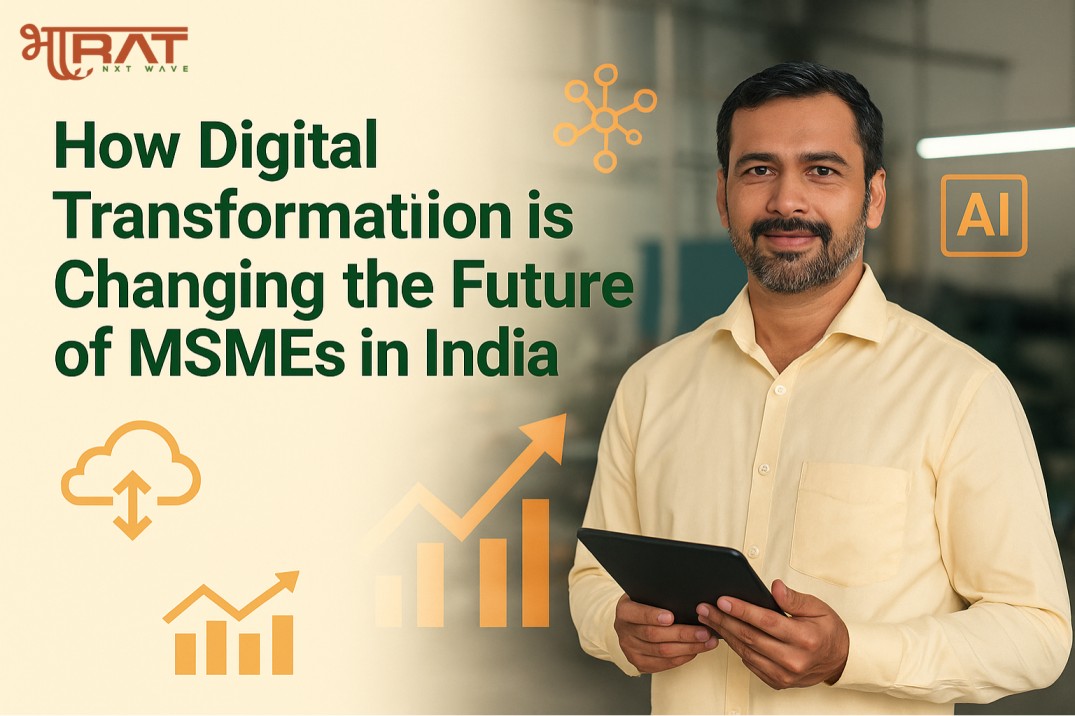
If there’s one revolution defining modern India’s entrepreneurial rise, it’s digital transformation in MSMEs.
From mobile payments to e-commerce, from AI-driven tools to government-backed digital initiatives — small and medium enterprises are embracing technology faster than ever.
This change is not just about automation; it’s about survival, scalability, and global competitiveness.
Micro, Small, and Medium Enterprises (MSMEs) are the unsung heroes of India’s economy.
According to the Ministry of MSME, over 63 million MSMEs contribute nearly 30% to India’s GDP, employ over 120 million people, and generate almost half of India’s exports.
These numbers aren’t just impressive — they’re transformative. MSMEs are what fuel the Indian startup ecosystem and drive youth entrepreneurship in India.
(Learn how to register your MSME with BharatNXT Wave)
But what’s different today is how digital adoption is turning traditional MSMEs into smart, tech-enabled businesses — making them future-ready for India’s $5 trillion economy goal.
In 2025, entrepreneurship in India is no longer limited to urban centers or big corporations. Thanks to digital technologies, even rural entrepreneurs are reaching global markets.
Here’s why digital transformation in MSMEs has become indispensable:
Efficiency & Productivity:
Tools like Zoho Books, QuickBooks, and Tally Prime Cloud help MSMEs automate bookkeeping, GST filing, and compliance.
Market Expansion:
Online platforms such as ONDC, Amazon India, and Flipkart Seller Hub allow MSMEs to sell beyond state borders.
Financial Inclusion:
FinTech leaders like Razorpay, Paytm for Business, and Khatabook are helping business owners simplify digital payments and manage cash flow.
Access to MSME Loan Schemes:
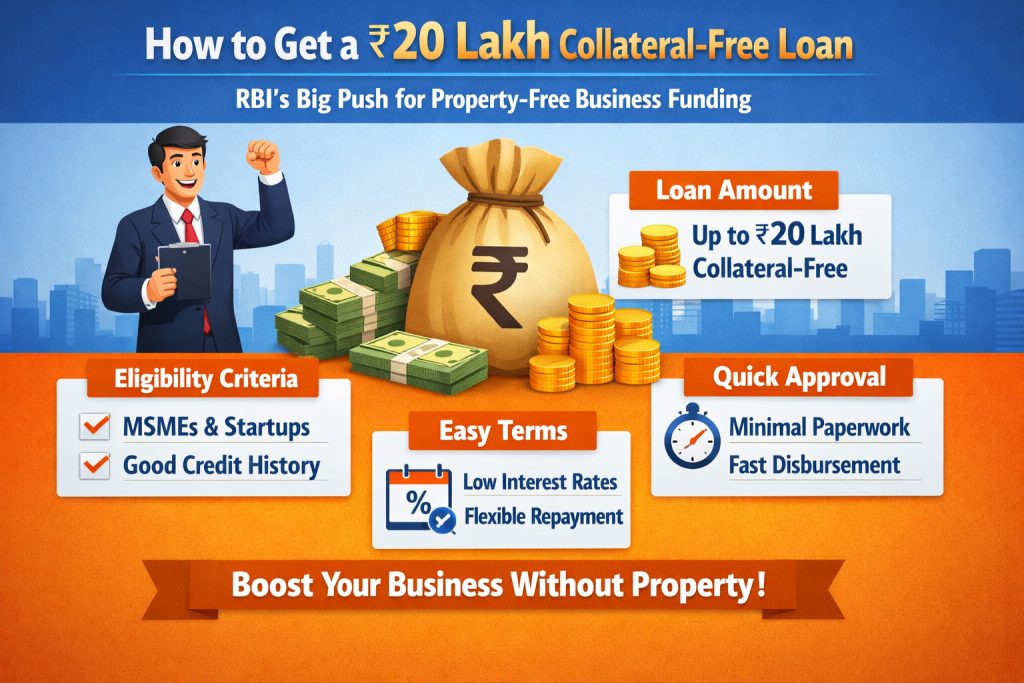
Initiatives like CGTMSE and PMEGP give easy access to collateral-free loans for small businesses.
Government Digital Schemes:
Under Digital India and Startup India, MSMEs are receiving free tools, digital literacy training, and easier access to e-marketplaces.
(Explore BharatNXT Wave’s MSME services)
UPI transactions have become the lifeline of India’s MSMEs. In fact, India leads the world with over 12 billion monthly UPI transactions, according to the NPCI.
FinTech platforms not only ensure faster payments but also provide data insights, helping businesses qualify for MSME loans more efficiently.
From handicrafts in Jaipur to homemade foods in Kerala — digital marketplaces have enabled local artisans to reach global buyers.
Platforms like Meesho, TradeIndia, and IndiaMART are revolutionizing how small sellers scale.
Visit IndiaMART’s MSME support portal.
Cloud-based tools like Google Workspace, Zoho One, and Salesforce for SMBs help MSMEs automate operations, track sales, and manage teams remotely.
A survey by NASSCOM shows that MSMEs using cloud tools reduce operational costs by 30–40% while improving collaboration.
Read NASSCOM’s report on digital MSME adoption.
One of the biggest advantages of going digital is visibility. MSMEs can now leverage SEO, social media, and performance ads to attract customers.
A business with an optimized Google My Business profile can increase inquiries by up to 70%, according to Think with Google.
BharatNXT Wave helps you build your MSME’s digital presence.
AI tools like ChatGPT, Freshworks, and HubSpot CRM help MSMEs with lead management, chat automation, and customer support — saving both time and manpower.
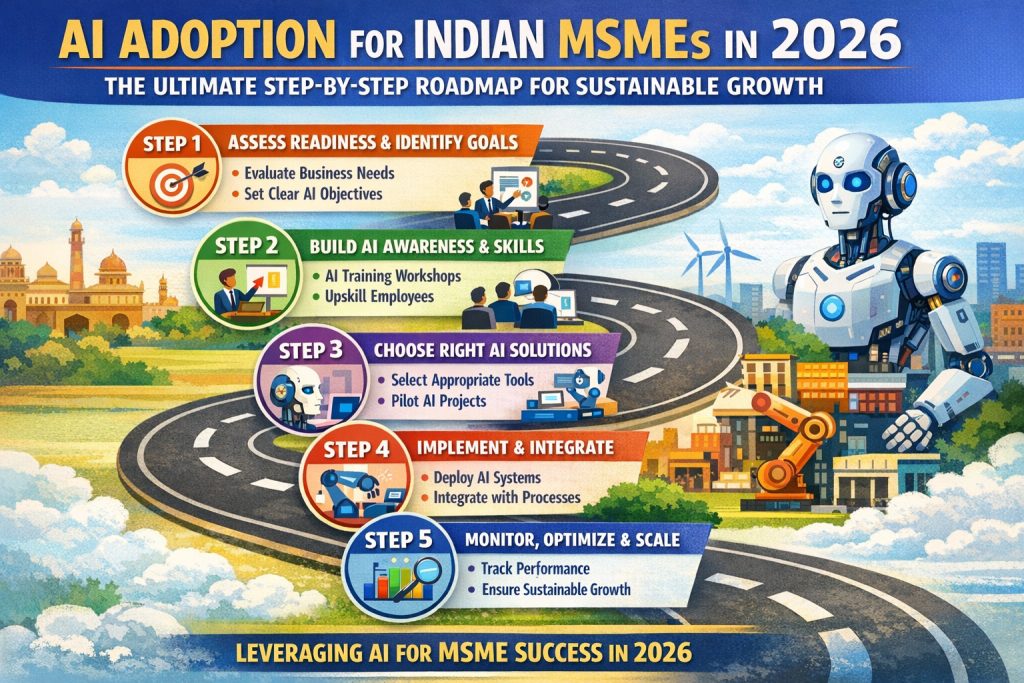
The future of MSMEs in India will be shaped by how quickly they can integrate such technologies into their day-to-day operations.
The Government of India has been proactive in supporting digital transformation in MSMEs through multiple flagship schemes:
Digital MSME Scheme: Promotes cloud adoption and ERP integration for manufacturing units.
MSME Samadhan Portal: Ensures quick dispute resolution between MSMEs and large corporations.
MSME Champions Portal: Offers guidance on technology adoption and exports.
Udyam Registration Portal: Simplifies online registration for MSMEs.
These initiatives are enabling MSMEs to go digital, get recognized globally, and leverage government support schemes for faster scaling.
Despite its potential, MSMEs face a few roadblocks in their digital journey:
Low Digital Awareness: Many small business owners still depend on manual operations.
Cybersecurity Threats: Limited awareness of data protection leaves MSMEs vulnerable.
Connectivity Gaps: Rural India still struggles with stable internet access.
Financial Constraints: Some MSMEs avoid digital tools due to perceived high costs.
That’s why consulting firms like BharatNXT Wave play a key role — helping MSMEs go digital with low-cost tools, training, and compliance support.
India’s ambition to become a $5 trillion economy by 2028 largely depends on the strength of its MSME sector.
With digital adoption driving inclusion and innovation, MSMEs can contribute an additional $1 trillion to GDP in the next five years.
Digital exports will expand India’s global reach.
Online B2B collaborations will reduce operational bottlenecks.
AI-led manufacturing will enhance productivity and sustainability.
Economic Survey of India 2024 – MSME Contribution Highlights.
By 2026, the MSME sector in India will be more connected, data-driven, and inclusive. Here’s what’s next:
Blockchain for supply chain transparency
AI-led predictive analytics for inventory and finance
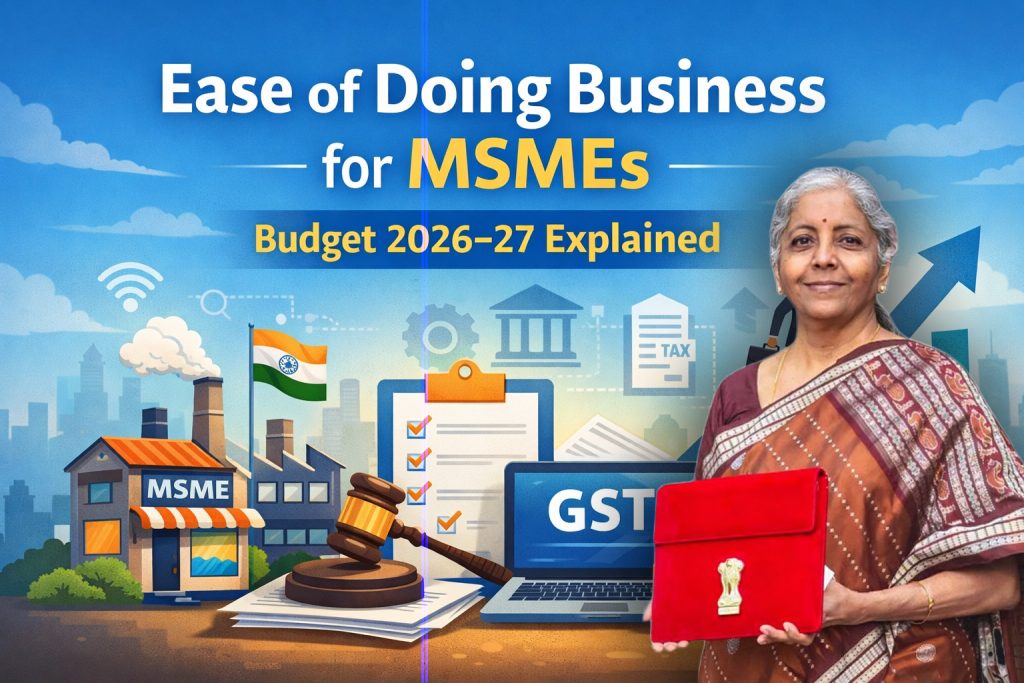
Paperless GST and e-invoicing systems
Digital collaborations between MSMEs and startups
This evolution isn’t limited to urban enterprises — Tier 2 and Tier 3 cities are witnessing massive adoption of cloud software and e-commerce.
At BharatNXT Wave, we simplify the complex journey of digital transformation for MSMEs.
Our services are designed to support small businesses with everything from Udyam registration to digital brand building.
We help MSMEs:
Apply for MSME loan schemes and grants
Access digital marketing tools.
Stay compliant through tax and audit automation
Digital transformation is not the future — it’s the foundation.
As India embraces a technology-first economy, MSMEs in India will be the cornerstone of innovation, employment, and exports.
Whether you’re a small business owner, a manufacturer, or a young entrepreneur — the message is clear:
Go digital, grow global, and become the force behind India’s $5 trillion dream.