The completion of ten years of the Startup India initiative marks a defining moment for the Indian startup ecosystem. What began in 2016 as a policy-driven push to encourage entrepreneurship has today evolved into one of the largest and most dynamic startup ecosystems in the world. From a handful of early-stage ventures concentrated in metro cities, the Indian startup ecosystem has expanded into Tier 2 and Tier 3 regions, touching MSMEs, innovators, women entrepreneurs, and first-time founders alike.
As we reflect on Startup India at 10, the conversation is no longer about whether startups can survive in India. The question now is what the next decade means for startups and MSMEs operating within the Indian startup ecosystem. This blog explores how the ecosystem has evolved, what the numbers truly indicate, where MSMEs fit into this journey, and how founders can prepare for the next phase of growth.
When the Government of India launched Startup India, the vision was clear: remove friction, encourage innovation, and formalise entrepreneurship. At that time, the Indian startup ecosystem faced challenges such as limited funding access, regulatory complexity, and lack of institutional trust.
Over the last decade, Startup India addressed these challenges through policy reforms, tax incentives, easier compliance frameworks, and recognition mechanisms such as DPIIT certification. These changes laid the groundwork for a more inclusive and structured Indian startup ecosystem.
Today, Startup India is not just a government programme—it is a foundational pillar of the Indian startup ecosystem.The Startup India initiative, led by the Government of India, was launched to build a structured and inclusive Indian startup ecosystem, and its official programmes, recognitions, and policy updates are detailed on the Startup India portal.
To understand the scale of transformation, it is important to look at what the Indian startup ecosystem has achieved over the past decade:
These numbers reflect not just growth, but maturity within the Indian startup ecosystem.
According to data and policy updates released by the Department for Promotion of Industry and Internal Trade (DPIIT), India has witnessed a sharp rise in recognised startups, job creation, and regional participation over the past decade.
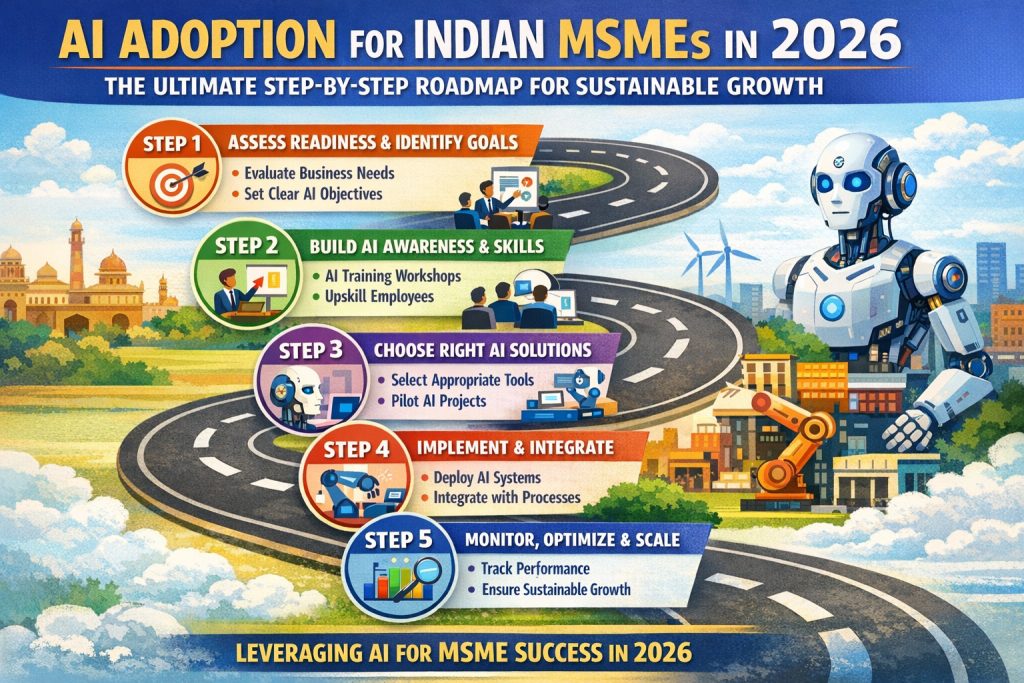
MSMEs have always been the backbone of India’s economy, but the last decade has seen a deeper integration of MSMEs into the Indian startup ecosystem. Traditional MSMEs are now adopting startup-like models—leveraging technology, innovation, and scalable processes.
The convergence of startups and MSMEs has reshaped how businesses operate. MSMEs today are no longer limited to local markets; many are building nationally and globally competitive solutions within the Indian startup ecosystem.
A strong enabler of this shift has been structured compliance and registration support. BharatNXT Wave supports startups and MSMEs with registration, compliance, and funding readiness, helping businesses become ecosystem-ready. You can explore these services in detail here: https://bharatnxtwave.com/services/
Funding has been one of the most visible transformations within the Indian startup ecosystem. In the early years, funding was limited to a few venture capital hubs. Today, founders can access a diverse mix of equity funding, debt funding, and government-backed schemes.
Initiatives such as the Startup India Seed Fund Scheme, Fund of Funds for Startups (FFS), and various state-level grants have strengthened capital access within the Indian startup ecosystem.
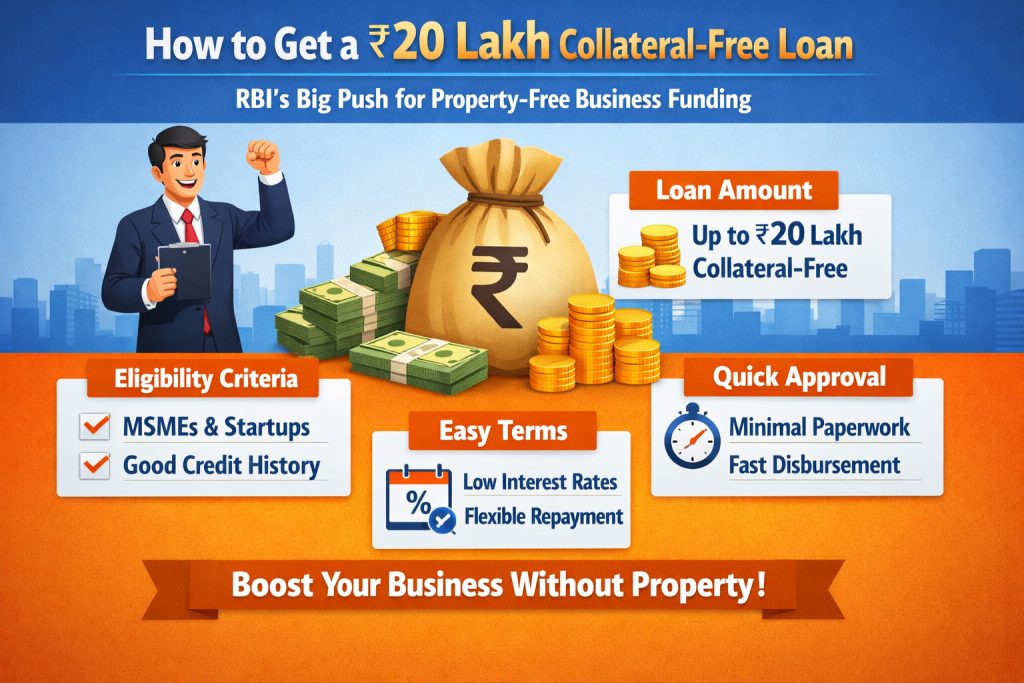
For startups and MSMEs seeking structured financial support, professional guidance plays a crucial role. BharatNXT Wave’s funding advisory services help founders navigate MSME loans, seed funding, and grant schemes with clarity. Learn more here: https://bharatnxtwave.com/services/msme-loans/
One of the most significant shifts in the Indian startup ecosystem has been the rise of Tier 2 and Tier 3 cities. Improved digital infrastructure, government incentives, and local incubation centres have decentralised entrepreneurship.
Startups from smaller cities are now contributing meaningfully to innovation, employment, and exports. This decentralisation has made the Indian startup ecosystem more resilient and inclusive.
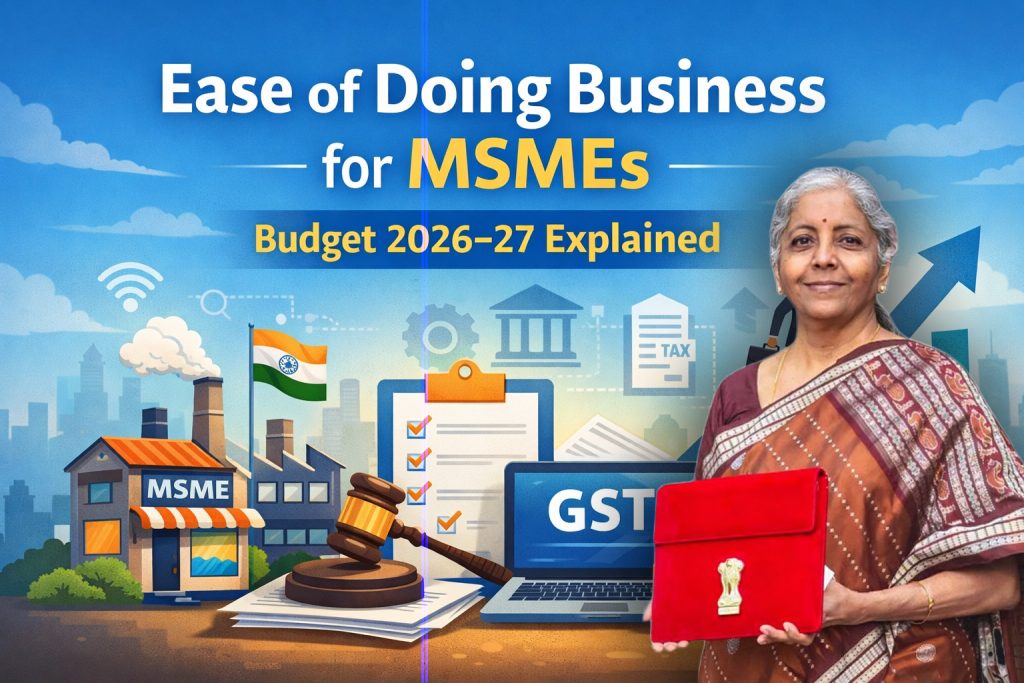
As the Indian startup ecosystem matures, compliance is no longer optional. Investors, banks, and government bodies increasingly evaluate startups based on governance, transparency, and regulatory readiness.
MSME registration, GST compliance, and structured documentation are now critical for long-term success. Proper MSME registration enables businesses to access government schemes and institutional funding, strengthening their position within the Indian startup ecosystem. You can understand the MSME registration process here: https://bharatnxtwave.com/services/msme-registration/
As startups and MSMEs mature within the Indian startup ecosystem, regulatory compliance around incorporation, filings, and governance is guided by frameworks issued by the Ministry of Corporate Affairs.
Trust has emerged as a defining factor in the next phase of the Indian startup ecosystem. While innovation remains essential, institutions now prioritise credibility, financial discipline, and governance.
This shift means founders must invest early in compliance, reporting, and professional advisory to remain competitive in the Indian startup ecosystem.
The Government of India continues to play a pivotal role in shaping the Indian startup ecosystem. Policy focus has shifted from startup creation to startup sustainability.
Government portals such as Startup India provide official recognition, resources, and scheme access. Founders can explore official updates and policies directly on the Startup India portal: https://www.startupindia.gov.in
Additionally, ministries such as DPIIT and MCA continue to streamline compliance frameworks, reinforcing trust within the Indian startup ecosystem. Official corporate compliance information is available at: https://www.mca.gov.in
The past decade has seen a steady rise in women-led startups across sectors. Dedicated schemes, grants, and mentorship programmes have improved inclusion within the Indian startup ecosystem.
The next decade will further amplify women entrepreneurship, particularly in MSMEs, healthcare, education, and technology-driven services.
Digital adoption has become a cornerstone of the Indian startup ecosystem. Cloud platforms, digital payments, AI-driven tools, and data analytics have lowered entry barriers and accelerated growth.
For MSMEs, digital transformation is now directly linked to visibility, funding eligibility, and scalability within the Indian startup ecosystem.
As Startup India enters its second decade, the Indian startup ecosystem will reward founders who are:
The era of informal experimentation is giving way to structured execution within the Indian startup ecosystem.
BharatNXT Wave operates at the intersection of compliance, funding, and strategic growth. As the Indian startup ecosystem matures, our role is to help founders and MSMEs build strong foundations that support long-term scale.
From Startup India certification and MSME registration to funding readiness and documentation, BharatNXT Wave enables businesses to move confidently within the Indian startup ecosystem.
To succeed in the next decade of the Indian startup ecosystem, founders should focus on:
These elements will define sustainable success within the Indian startup ecosystem.
Startup India at 10 is not just a milestone—it is a turning point. The Indian startup ecosystem has moved from experimentation to execution, from access to accountability, and from ambition to impact.
The next decade belongs to startups and MSMEs that are prepared, compliant, and strategically aligned. With the right foundation, guidance, and ecosystem support, the Indian startup ecosystem is poised to lead India’s economic growth story for years to come.
Startup India empowered the ecosystem. The next decade will be shaped by those who execute with clarity.