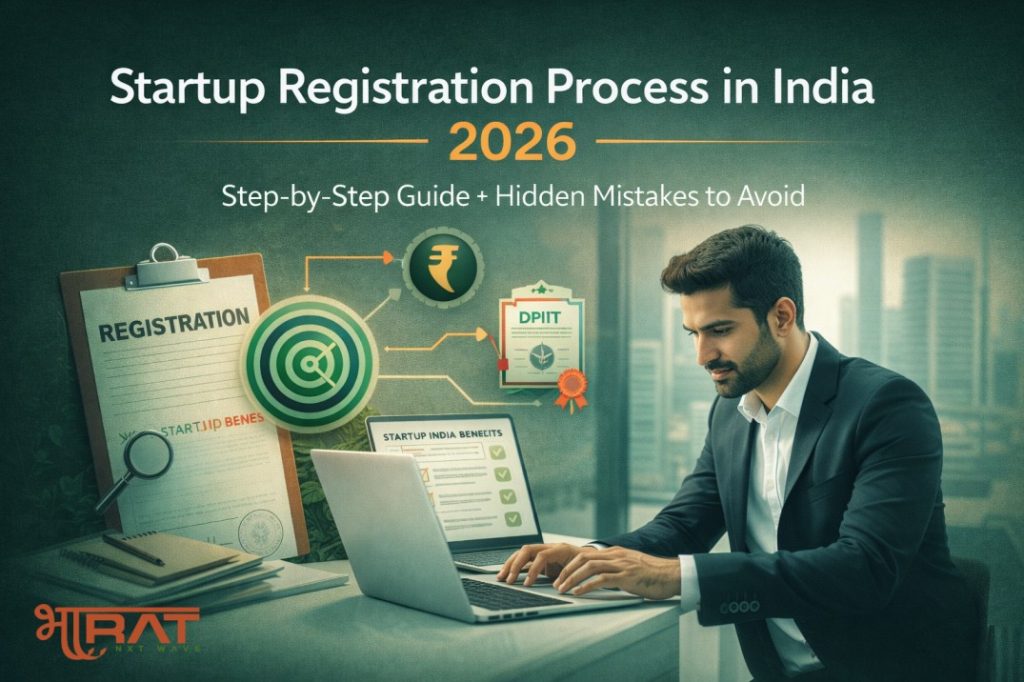
The growth of the MSME sector in India is directly connected to the rise of the startup culture in India and the rapidly expanding Indian startup ecosystem. As India enters 2025 with strong economic momentum, MSMEs continue to play a critical role in entrepreneurship in India and in shaping youth entrepreneurship in India. However, despite their importance, MSMEs face several operational, financial, and technological challenges.
This blog explains the top 7 challenges faced by MSMEs in India and how to overcome them using practical steps, government schemes, digital tools, and policy support. It is designed to help small business owners, startup founders, and young entrepreneurs understand key obstacles and solutions for MSME growth in India.
MSMEs are a major pillar of the Indian economy. They contribute more than 30 percent to India’s GDP, support more than 11 crore jobs, and account for nearly half of India’s exports. With the strong rise of Indian startups in 2025, MSMEs continue to strengthen the startup revolution in India through local manufacturing, innovation, and employment generation.
Many young Indians today are choosing entrepreneurship over traditional jobs because MSMEs offer ownership, flexibility, and long-term growth opportunities. This shift explains why youth prefer startups over jobs and why the future of startups in India looks promising.
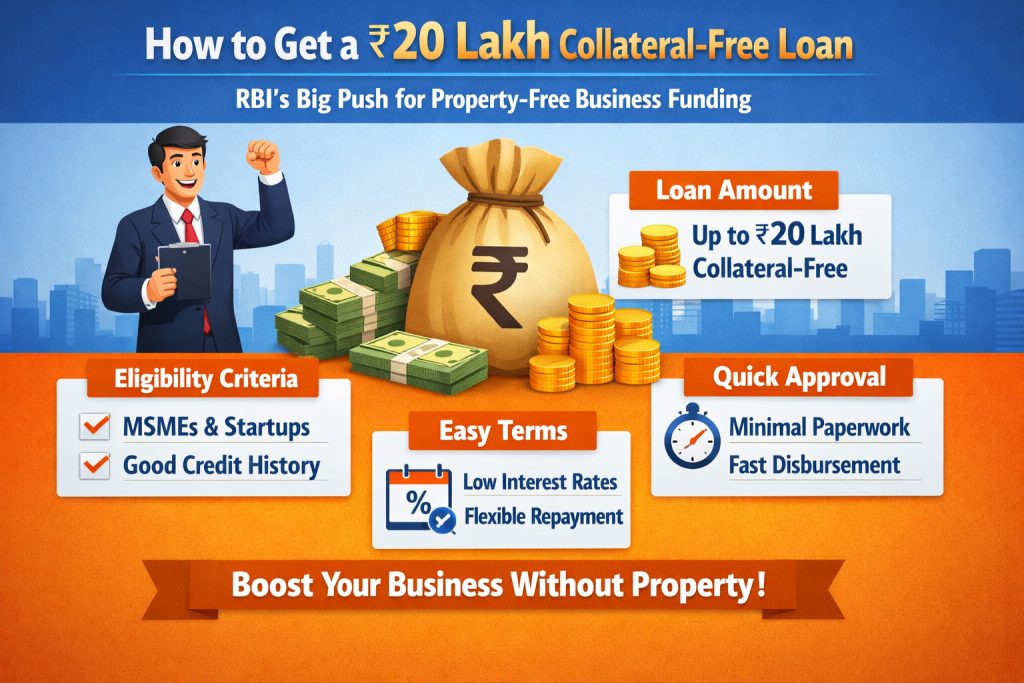
Access to affordable credit remains the biggest hurdle for MSMEs. Many business owners struggle due to lack of collateral, limited credit history, and low awareness of MSME loan schemes.
Banks and NBFCs evaluate GST returns, ITR filings, and digital transactions. To improve loan approval chances, MSMEs should maintain financial documentation using digital accounting tools.
Government-backed schemes such as the Mudra Loan, CGTMSE, Stand-Up India, PMEGP, and SIDBI assistance provide structured credit support. MSMEs can also explore collateral-free loans through the Credit Guarantee Fund. You can learn more about MSME government financing on the official MSME website at https://msme.gov.in.
For founders seeking help with loan selection and documentation, an internal link example would be: “Read our detailed MSME loan assistance guide on our funding support page.”
MSME registration is the first step to accessing these benefits. You can complete the process on the Udyam portal at https://udyamregistration.gov.in.
Many MSMEs continue to rely on traditional methods such as paper-based accounting and offline operations. This limits scalability and competitiveness.
Adopting digital tools is essential. MSMEs can start by using digital accounting software like Zoho Books or Tally Prime. They can create a business website, shift to digital payments, and use CRM tools to manage customers.
Government support for digital MSMEs is also increasing, and initiatives under Startup India encourage digitization. More details are available on https://startupindia.gov.in.
Explore our MSME digital support services to automate your business processes https://bharatnxtwave.com/digital-marketing/.
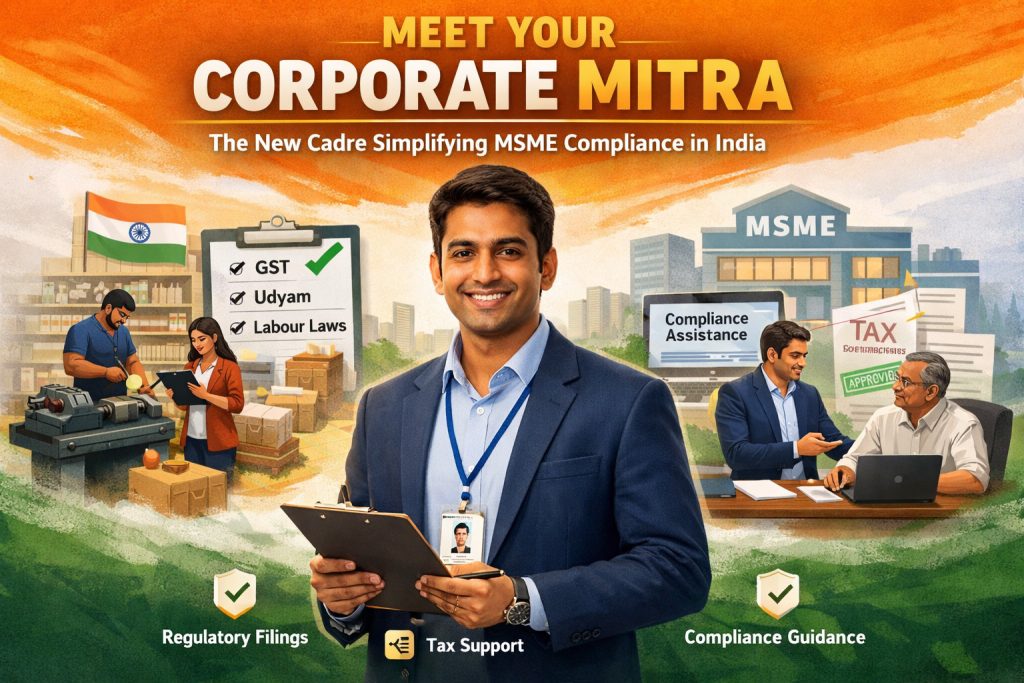
Complex compliance requirements are another major barrier: GST filing, pollution control permits, factory licenses, and labor law compliance.
Automated GST solutions like ClearTax or RazorGST help reduce errors. MSMEs can also outsource compliance tasks to professional firms.
Learn how our compliance services simplify MSME regulatory processes – https://bharatnxtwave.com/company-registrations-compliances-more/
Staying updated with MSME policies in India is essential because frequent reforms aim to simplify compliance norms.
With rising digitization and the rapid expansion of Indian startups, MSMEs must compete with larger companies, D2C brands, and online marketplaces.
MSMEs can list their products on Amazon, Flipkart, Meesho, and ONDC. Creating their own website also provides full control over branding and pricing.
Government e-marketplaces also create opportunities for MSMEs. Registering on the GeM portal enables businesses to sell directly to government departments.
To improve export opportunities, MSMEs can apply for IEC through the DGFT website. Export growth is a major driver of MSME development.
Many MSMEs face difficulty hiring trained employees because of skill gaps and limited access to skilled labor.
MSMEs should invest in employee upskilling and leverage government programs like PM Kaushal Vikas Yojana. Hiring interns and fresh graduates can also help fill workforce gaps. This is becoming more popular as youth entrepreneurship in India grows and more young people enter the startup ecosystem.
Using outdated machinery leads to higher costs and lower productivity.
MSMEs can adopt machinery modernization schemes and apply for subsidies through the Credit Linked Capital Subsidy Scheme. SIDBI also provides technology-upgradation loans. More information is available on https://sidbi.in.
Automation tools can improve manufacturing, logistics, supply chain management, and inventory operations.
Despite the government offering more than 50 schemes for MSMEs, the majority of business owners are unaware of them.
MSMEs should regularly review official sources such as the MSME Ministry and Startup India portals. Consultancy assistance also helps founders discover suitable schemes such as subsidies, grants, incentives, and loan programs.
Read our article on Government Schemes for MSMEs to discover funding opportunities tailored to your business – https://bharatnxtwave.com/government-schemes-for-msmes-2025/.
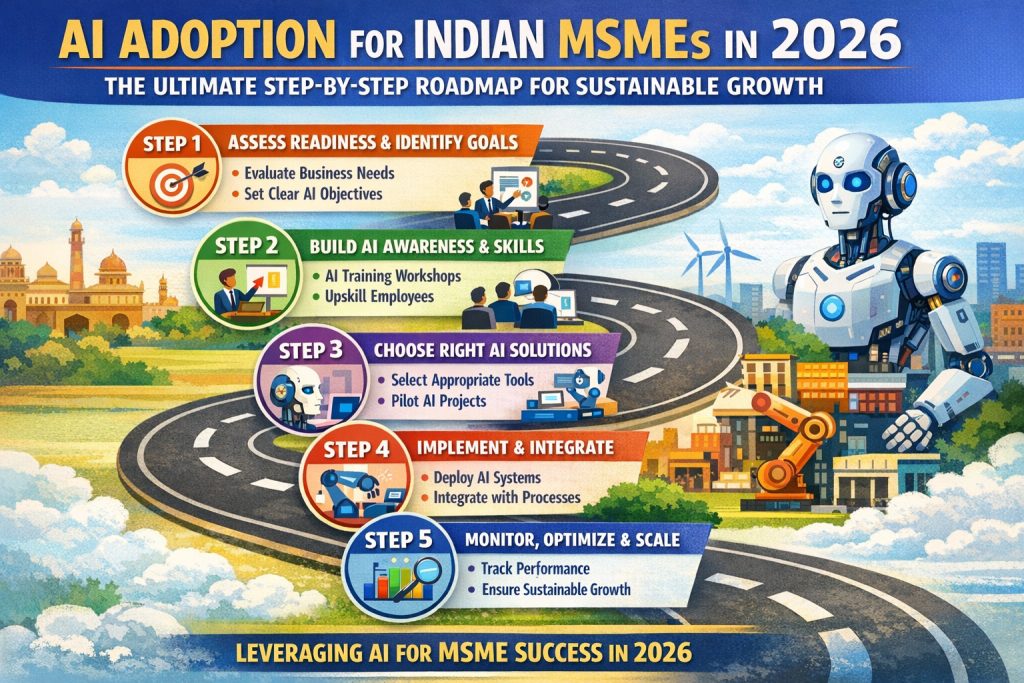
The future of MSMEs in India is promising due to improving digital adoption, government support, artificial intelligence, automation, and global market integration. Youth entrepreneurship in India is growing faster than ever, and MSMEs will continue to drive innovation, local manufacturing, and job creation.
As the Indian startup ecosystem matures, the importance of MSMEs in the Indian economy will continue to rise.
MSMEs face numerous challenges including funding issues, compliance burdens, outdated technology, and limited market access. However, by leveraging government initiatives, adopting digital tools, upgrading technology, and seeking professional guidance, MSMEs can overcome these challenges effectively.
The long-term growth of the MSME sector will depend on how quickly businesses adapt to the evolving market landscape and utilize government support available for entrepreneurship in India.
What is the biggest challenge faced by MSMEs?
Limited access to credit remains the biggest challenge.
How can MSMEs get loans?
By applying under government-backed loan schemes such as Mudra, CGTMSE, and SIDBI.
How do MSMEs register in India?
MSME registration can be completed online through the Udyam portal at https://udyamregistration.gov.in.
Why do young Indians prefer startups over jobs?
Because startups offer faster growth, ownership opportunities, and flexibility.