If there’s one place in the world that’s buzzing with entrepreneurial energy, it’s India. With a growing economy, digital revolution, and government support, starting a business in India in 2025 has become more exciting and accessible than ever before. From young minds building innovative startups to small enterprises expanding across regions, India offers endless possibilities for aspiring entrepreneurs.
For more insights on business opportunities, investment trends, and government incentives, explore the Invest India portal — India’s official investment promotion and facilitation agency.
India’s youth are driving the new wave of business innovation. With access to digital tools, social media, and global markets, young entrepreneurs are no longer waiting for traditional jobs—they’re creating them. Platforms like Startup India, skill development programs, and the availability of online funding have empowered millions to chase their ideas. You can explore the official Startup India initiative to discover funding opportunities, incubation programs, and startup benefits available in 2025.
Unlike before, today’s entrepreneurs are equipped with global exposure, mentorship opportunities, and financial assistance through government-backed incubators and angel networks. The combination of ambition and accessibility makes India a powerful hub for new ventures in 2025.
 Read inspiring stories of Indian women founders redefining success.https://bharatnxtwave.com/women-entrepreneurs/
India’s startup ecosystem has evolved dramatically. From just a few hundred startups a decade ago, India now stands among the top three startup ecosystems globally, home to thousands of active startups across sectors like fintech, edtech, healthtech, and manufacturing.
Cities like Bengaluru, Delhi-NCR, Pune, and Hyderabad are not just hubs of innovation but also magnets for global investors. The government’s push for digital payments, the UPI revolution, and policies encouraging ease of doing business have made launching a business faster and smoother.
With increased access to funding, mentorship, and digital infrastructure, starting a business in India in 2025 is not just an idea—it’s an achievable goal.
Micro, Small, and Medium Enterprises (MSMEs) are the backbone of India’s economy, contributing significantly to employment generation and GDP growth. In 2025, MSMEs continue to play a critical role in strengthening the nation’s self-reliance and economic balance.
From manufacturing to services, the MSME sector has expanded into every corner of the country, promoting local talent and innovation. The government’s support through Udyam registration, collateral-free loans, and various incentive programs ensures that even small businesses can compete and scale effectively.
For more details on current schemes and registration guidelines, visit the official Ministry of MSME website.
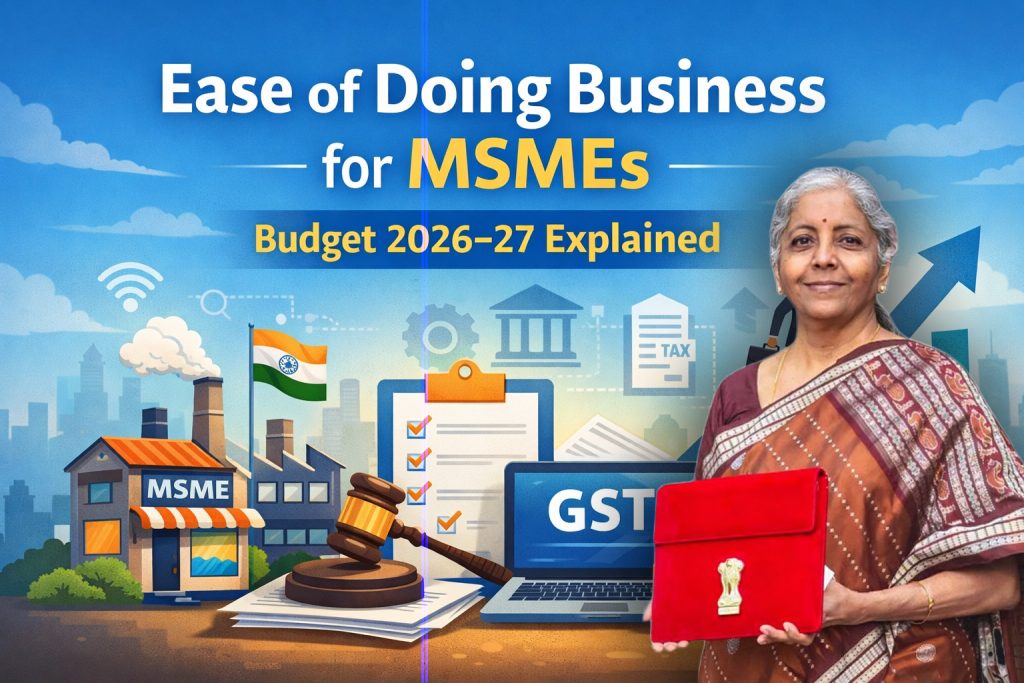
One of the key reasons behind India’s business boom is the government’s proactive support. Initiatives like Make in India, Startup India, and Digital India have simplified the journey for entrepreneurs by reducing compliance hurdles and offering tax benefits.
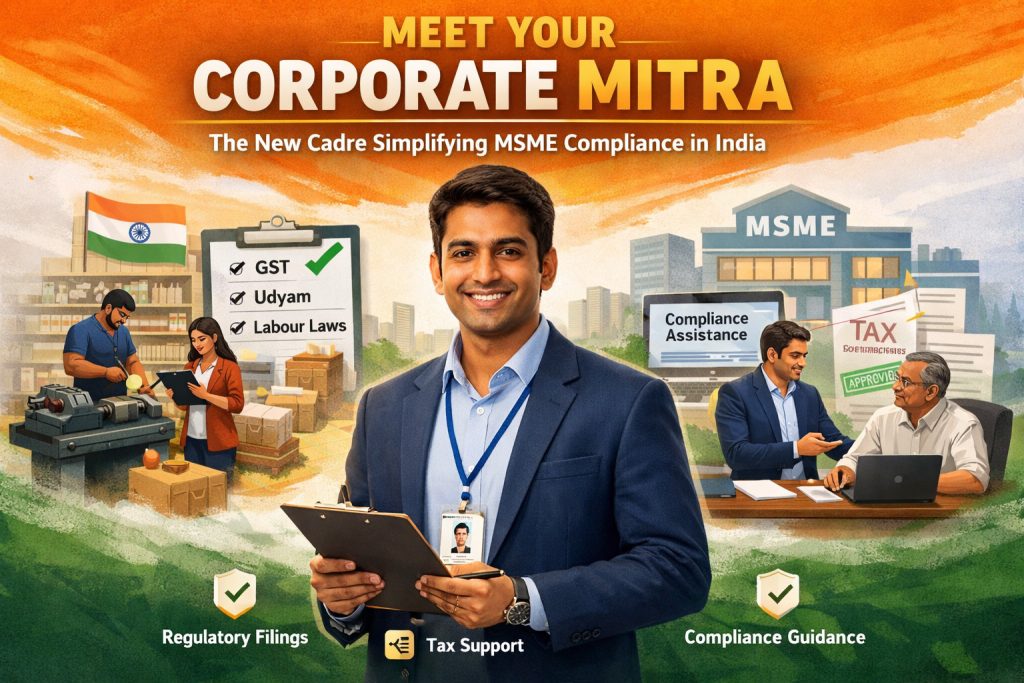
Entrepreneurs can now register their business online, access mentorship, apply for government grants, and participate in global networking events—all with just a few clicks. To ensure your business is fully compliant, it’s essential to understand the key registrations and licenses required in India. Learn more about GST, FSSAI, and essential business licences for 2025 here. Programs such as MSME loan schemes, Credit Guarantee Fund, and subsidies for women and rural entrepreneurs are encouraging inclusive growth.
Technology is at the heart of India’s business transformation. Whether it’s automation, digital marketing, or cloud computing, digital tools are enabling small businesses to compete with larger corporations.
In 2025, even a small enterprise in a rural town can sell products globally through e-commerce platforms, manage inventory online, and promote their business through social media. The Digital India program and initiatives promoting cashless transactions have strengthened transparency and financial inclusion.
For entrepreneurs, this digital wave opens up new possibilities in every sector—from education and healthcare to manufacturing and logistics.
Still, even the best startup ideas can struggle without visibility or strong branding. Discover why many promising startups in 2025 still get ignored — and how to fix it.
As India’s economy continues to grow, the opportunities for business owners are expanding too. The rise of innovation-driven industries, tech-enabled services, and sustainability-focused startups will define the future landscape of business in India.
With access to a massive domestic market and growing international partnerships, entrepreneurs in 2025 have more tools and resources than ever before to succeed.
In short, if you have a business idea, India is no longer just a “tough market” — it’s a launchpad.
Starting a business in India in 2025 is not only about making profits—it’s about being part of a larger movement that’s shaping the future of the global economy. With government backing, digital empowerment, and an entrepreneurial mindset, India is truly the land of opportunity.
Whether you’re planning to launch a startup, register an MSME, or explore digital ventures, there has never been a better time to start your business journey in India.
For deeper insights into India’s entrepreneurship landscape, explore NITI Aayog’s reports on entrepreneurship — highlighting how innovation and policy reforms are shaping the future of startups in India.