Why “Growth First, Compliance Later” Is the Most Expensive Startup Mistake in India
In India’s startup ecosystem, one dangerous belief continues to ruin otherwise promising businesses: “Let’s grow first, we’ll handle compliance later.”
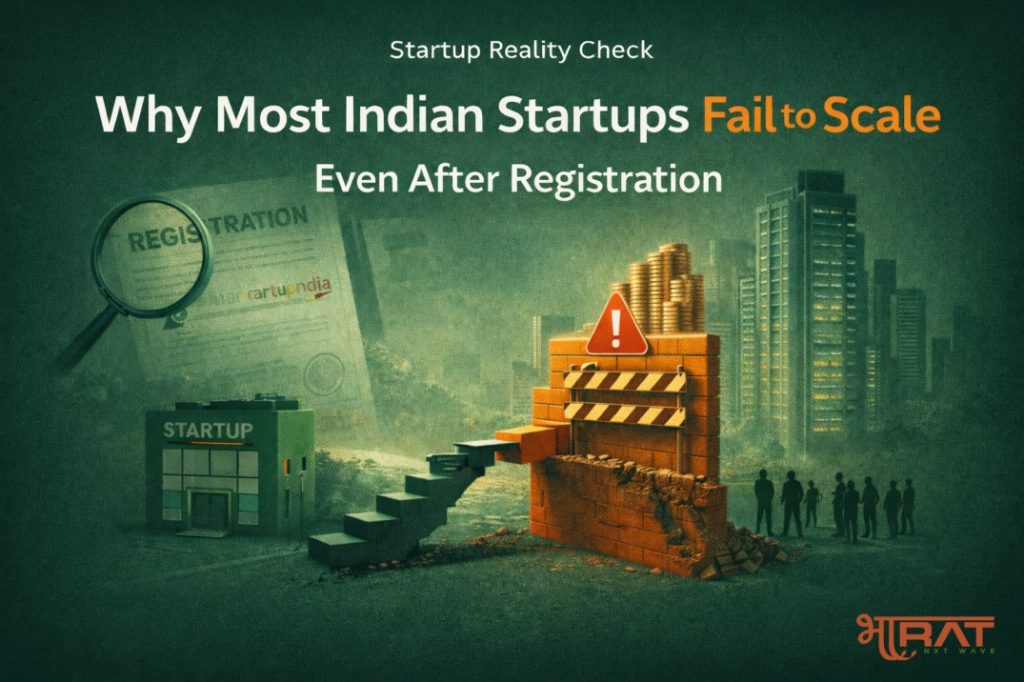
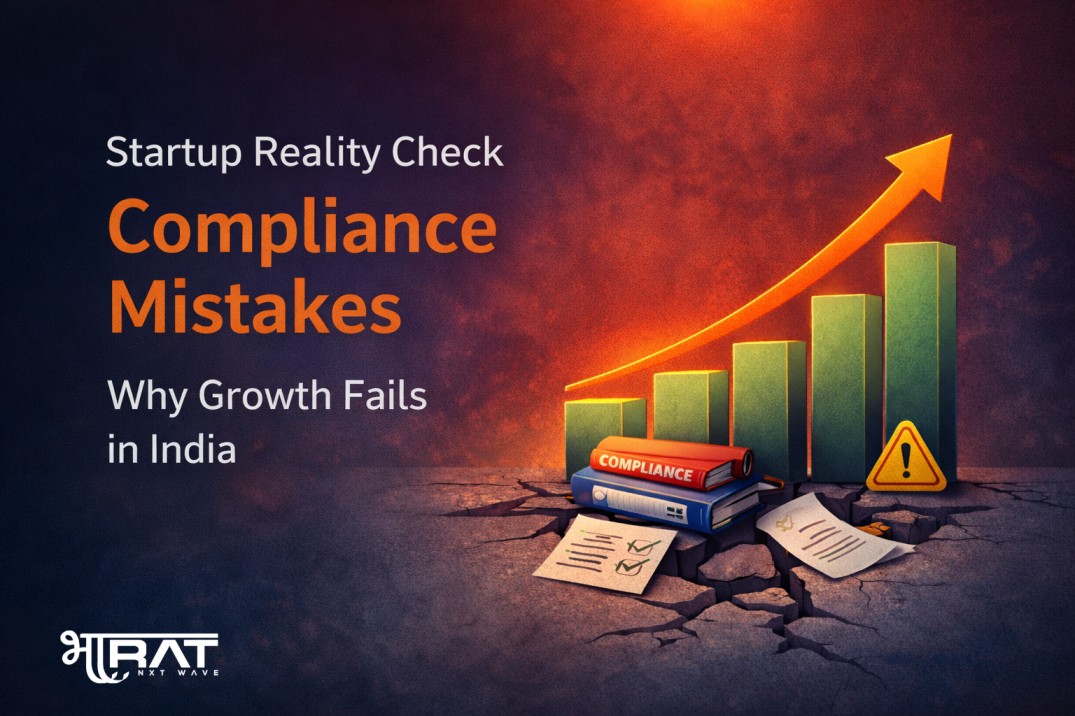
Founders often focus on customer acquisition, revenue, fundraising, and expansion—while postponing regulatory discipline. Unfortunately, this mindset creates some of the most damaging startup compliance mistakes in India, many of which surface only when it is already too late.
In a country where tax systems, banking infrastructure, and government funding are deeply interconnected, compliance is not an administrative formality—it is business infrastructure. This blog explains why ignoring compliance during growth is one of the costliest strategic errors Indian startups make, and how founders can avoid it.
Where the “Growth First” Mindset Comes From
The “growth at all costs” mindset is largely borrowed from global startup narratives. In mature ecosystems, compliance frameworks are predictable and forgiving. In India, however, startups operate under:
-
Layered regulatory systems
-
Strict statutory timelines
-
Real-time digital reporting
-
Interlinked government databases
Applying foreign growth playbooks without adapting to Indian regulations leads directly to startup compliance mistakes in India that compound silently over time.
What Compliance Really Means for Indian Startups
Many founders mistakenly think compliance means only GST filing or company registration. In reality, compliance covers:
-
ROC annual filings
-
GST returns and reconciliations
-
Income tax filings
-
Statutory audits
-
Startup India certification
-
MSME registration
-
Labour law adherence
-
Banking KYC compliance
-
Grant-specific reporting
Neglecting even one of these areas can create long-term structural risk.
Why Compliance Is Non-Negotiable in India
India’s regulatory environment is digitally integrated. Every filing, delay, mismatch, or omission is permanently recorded.
All statutory and tax filings are validated through official government systems, which are accessed by banks, investors, and funding agencies for due diligence and risk assessment.
This means compliance history is no longer private—it directly impacts funding, credibility, and operations.
The Real Cost of Startup Compliance Mistakes in India
Funding Rejection
Investors and lenders now evaluate compliance as part of basic due diligence. Delayed filings, unresolved notices, or structural gaps often result in immediate rejection.
Banking Restrictions
Non-compliance frequently leads to:
-
KYC flags
-
Account freezes
-
Transaction limits
Valuation Damage
Investors heavily discount startups with compliance gaps, sometimes by 40–50%, regardless of growth metrics.
Personal Liability
In India, directors can be personally liable for statutory non-compliance.
These are not edge cases—they are standard outcomes of startup compliance mistakes in India.
Why “Compliance Later” Fails During Fundraising
During fundraising, startups are evaluated across:
-
Corporate governance
-
Tax discipline
-
Shareholding structure
-
Regulatory readiness
According to RBI regulatory guidelines, lenders rely heavily on statutory compliance and financial reporting data to assess risk and creditworthiness. A weak compliance trail immediately increases perceived risk, making capital expensive or unavailable.
Government Grants: Zero Flexibility on Compliance
Government grants follow strict eligibility and reporting norms. High growth or strong ideas do not compensate for compliance gaps.
Institutions such as SIDBI explicitly evaluate documentation discipline and reporting accuracy under the SIDBI startup and MSME compliance framework, making compliance a prerequisite—not an afterthought.
Common Startup Compliance Mistakes in India
Delaying Mandatory Registrations
Skipping GST, MSME, or Startup India registration blocks funding eligibility.
Ignoring ROC Filings
Missed filings result in penalties, notices, and even director disqualification.
Treating Compliance as a “Back-Office Task”
Compliance is strategic—not clerical.
Poor Documentation Discipline
Missing contracts, resolutions, or audit trails destroy credibility.
Each of these errors individually qualifies as a serious startup compliance mistake in India.
The Domino Effect of Non-Compliance
Compliance failures rarely stay isolated. One missed filing leads to:
-
Penalties
-
Notices
-
Audits
-
Bank flags
-
Funding rejection
This cascading effect is why founders often realize the damage only when recovery becomes expensive and slow.
How Startups Can Fix Compliance the Right Way
Founders who address compliance proactively avoid future crises.
Businesses that adopt structured startup compliance services early on are far better positioned for funding, partnerships, and scale.
Similarly, startups applying for policy-based funding see higher approval rates when guided by professional government grant consulting services that ensure documentation, timelines, and reporting remain aligned with scheme requirements.
As startups mature into revenue-generating businesses, expert MSME advisory services help integrate compliance with financial planning, audits, and long-term sustainability.
👉https://bharatnxtwave.com/private-lending/
Why Founders Realize the Mistake Too Late
Most founders take compliance seriously only when:
-
A bank demands documents
-
An investor flags issues
-
A government notice arrives
At this stage, correcting historical non-compliance becomes:
-
Costly
-
Time-consuming
-
Reputation-damaging
This delay is what makes startup compliance mistakes in India so expensive.
Compliance as a Growth Enabler, Not a Burden
Well-compliant startups enjoy:
-
Faster fundraising
-
Better loan terms
-
Higher investor trust
-
Smoother scale-ups
Compliance doesn’t slow growth—it protects it.
Regulatory Reality Check
All startup eligibility, certifications, and compliance frameworks are published on the official Startup India portal, which serves as the primary reference for founders and funding bodies.
From a banking perspective, RBI regulatory publications clearly indicate that compliance history plays a direct role in credit assessment and lending decisions.
For policy-backed funding and MSME support, institutions such as SIDBI rely on structured reporting under the SIDBI startup support framework, reinforcing the importance of regulatory discipline.
2025 and Beyond: Compliance Is Business Infrastructure
With:
-
Digital tax systems
-
AI-driven audits
-
Integrated government databases
There is no room left for informal operations.
In the coming years, startup compliance mistakes in India will not just be costly—they will be fatal for funding and scale.
Conclusion: Growth Without Compliance Is the Costliest Shortcut
“Growth first, compliance later” is not ambition—it is risk blindness.
In India, compliance is:
-
Financial credibility
-
Funding readiness
-
Operational stability
Startups that understand this early don’t just survive—they attract better capital, better partners, and long-term trust.
At BharatNXT Wave, we help startups embed compliance into growth—not as paperwork, but as a strategic foundation.