If you’ve ever dreamed of building your own business, you’re not alone. India’s startup ecosystem is thriving — but not every founder succeeds.
Understanding the common mistakes every Indian entrepreneur makes in startups can help you avoid the pitfalls that destroy 8 out of 10 ventures before they even find their footing.
In this detailed guide, we’ll explore the biggest reasons startups fail, how you can avoid them, and the lessons learned from India’s growing startup culture in 2025.
The startup culture in India is no longer limited to metro cities. From Indore to Imphal, youth entrepreneurship in India is redefining how we work and build wealth.
With more than 1.2 lakh recognized Indian startups as of 2025, India stands as the third-largest startup ecosystem in the world. The government’s Startup India initiative and the rapid growth of MSME in India have played a pivotal role in this success story.
However, with rapid growth also comes a learning curve — and mistakes are part of the process. Let’s look at the 7 most common ones.
Many first-time founders are so passionate about their ideas that they skip market validation.
They assume that if they like their idea, others will too. Unfortunately, this assumption can cost you everything.
Without proper market research, startups often build products that nobody really needs.
Even the best marketing can’t fix a product-market mismatch.
Conduct surveys and interviews with your target audience.
Study competitors to understand their strengths and weaknesses.
Use tools like Google Trends, Ahrefs, and SimilarWeb for market insights.
Remember — your startup doesn’t fail when you make mistakes; it fails when you make assumptions.
Need help understanding your target market?
Visit BharatNXT Wave’s Startup Growth & Strategy Services for expert analysis.
A lack of financial discipline is one of the top reasons Indian startups fail.
Entrepreneurs often underestimate how long it takes to turn a profit and overspend early.
No clear budget or cash flow tracking
Mixing personal and business finances
Ignoring tax and compliance costs
Overestimating revenue projections
Start lean — focus on essentials first.
Use tools like QuickBooks or Zoho Books to track expenses.
Consult professionals for MSME registration in India to access financial benefits.
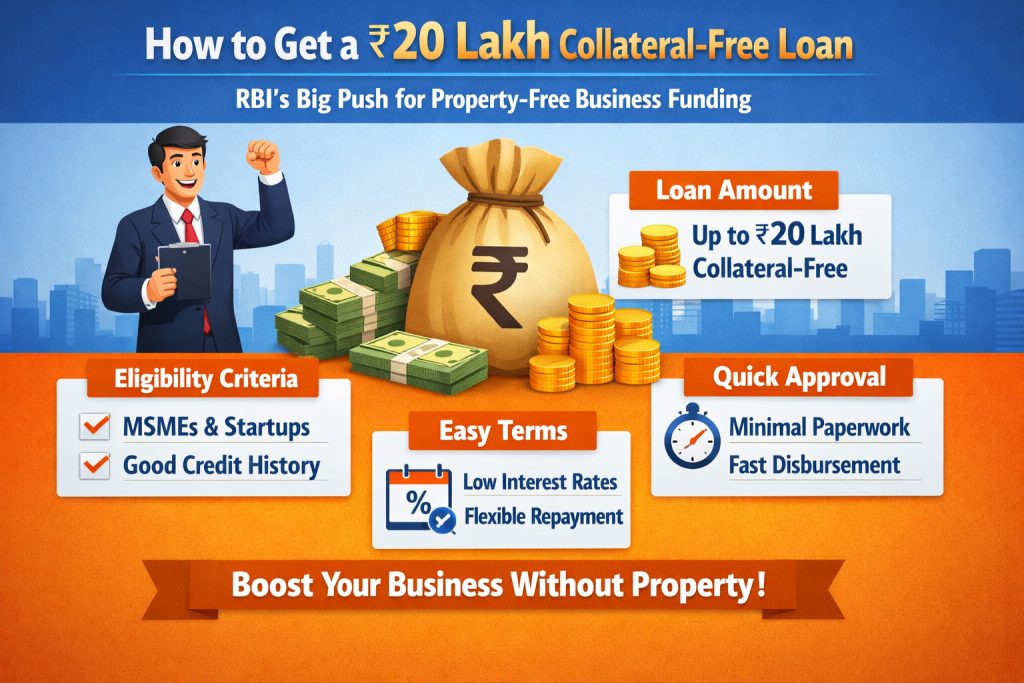
You can also explore MSME Loan Schemes for low-interest funding options designed for small business owners.
In the early rush to launch, many founders ignore the legal foundation of their business.
They skip basic things like business registration, tax setup, or intellectual property protection — and face issues later.
You can’t apply for government schemes without proper registration.
Investors won’t fund unregistered entities.
You risk legal penalties for non-compliance.
Get your business registered as:
Private Limited Company
LLP (Limited Liability Partnership)
One Person Company (OPC)
You can simplify this entire process with Startup Registration Services by BharatNXT Wave — saving you time and ensuring 100% compliance.
One of the biggest advantages of starting up in India today is government support — yet many entrepreneurs never use it.
The government has designed numerous programs under the Startup India and MSME India umbrella that offer funding, tax exemptions, and mentorship.
MUDRA Loan Scheme: Up to ₹10 lakh for small businesses without collateral.
Stand-Up India Scheme: For women and SC/ST entrepreneurs.
CGTMSE: Credit guarantee for MSMEs.
Atmanirbhar Bharat Package: For self-reliant business growth.
Learn more about these opportunities on the MSME Ministry official website or visit BharatNXT Wave’s MSME Policies Page for a simplified breakdown.
Even a great product won’t sell itself.
Many new founders think marketing is optional — until they realize no one knows their brand exists.
No digital presence (website, SEO, or social media)
Focusing on paid ads without content strategy
Ignoring storytelling and branding
Not tracking analytics
Build your online presence — A professional website, active social handles, and optimized Google Business profile are must-haves.
Invest in SEO — It’s cost-effective and builds long-term visibility.
Tell your story — Consumers relate to emotion more than features.
Want to learn how digital branding helps MSMEs?
Explore Digital Transformation in MSMEs to get actionable insights.
Behind every successful startup is a committed team.
Unfortunately, many founders hire friends or cheap labor instead of skilled professionals — leading to inefficiency and poor execution.
Your startup is only as strong as your team. A weak foundation can delay success, increase costs, and damage morale.
Prioritize attitude and adaptability over degrees.
Clearly define roles and expectations.
Use remote freelancers initially to save costs.
Remember: Your team isn’t just employees — they’re the co-pilots of your vision.
One of the most underestimated tools for startups is the MSME registration process.
Many founders think it’s only for traditional businesses — but that’s wrong.
Access to low-interest MSME loans
Government tenders reserved for MSMEs
Protection against delayed payments
Priority lending and tax exemptions
Visit the Udyam Registration Portal
Fill in Aadhaar and PAN details
Select your business type
Upload required documents
Get your MSME certificate instantly
You can also consult experts through BharatNXT Wave MSME Registration Services for seamless registration and compliance support.
As we move into 2025, the future of startups in India looks more promising than ever.
With growing youth entrepreneurship, government backing, and a booming digital economy, the country’s entrepreneurial spirit is unstoppable.
Widespread internet access and UPI adoption
Strong MSME policies in India
Increased foreign investments
Rapid digital adoption post-COVID
The next decade will be defined by startup success in India and the rise of small-town founders scaling globally.
To stay ahead of the curve, follow BharatNXT Wave’s Business Insights Blog for expert guidance on funding, compliance, and business growth.
Starting up isn’t easy — but it’s worth it.
The common mistakes every Indian entrepreneur makes in startups are completely avoidable if you plan smartly, stay financially disciplined, and leverage available government schemes.
India is now the land of opportunity — and with tools like MSME registration, digital marketing, and expert support from BharatNXT Wave, there’s never been a better time to turn your idea into impact.
So, learn, adapt, and grow — because your next move might just be India’s next success story.