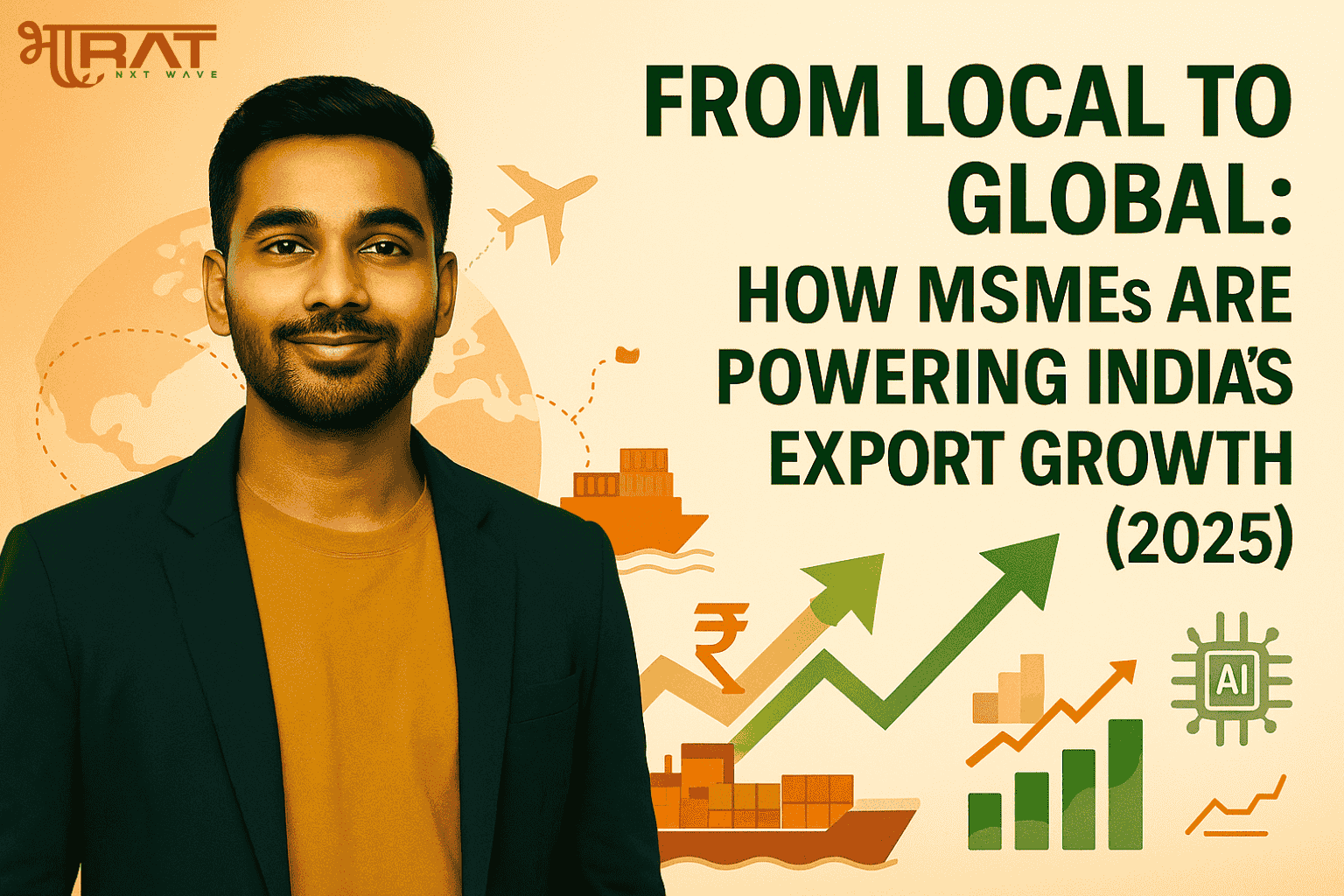
In the past, India’s exports were dominated by large manufacturing giants. Today, MSMEs in India have flipped the script — producing everything from organic textiles in Jaipur to precision tools in Coimbatore.
According to the Ministry of MSME, more than 63 million MSMEs now employ 110 million people and contribute nearly 30 % to India’s GDP. The real game-changer? Digital transformation in MSMEs, making it easier to connect with international buyers through platforms like ONDC, Amazon Global Selling, and IndiaMART Export Hub.
Smart MSMEs, Smarter India: Leveraging AI, IoT, and Data for Growth.
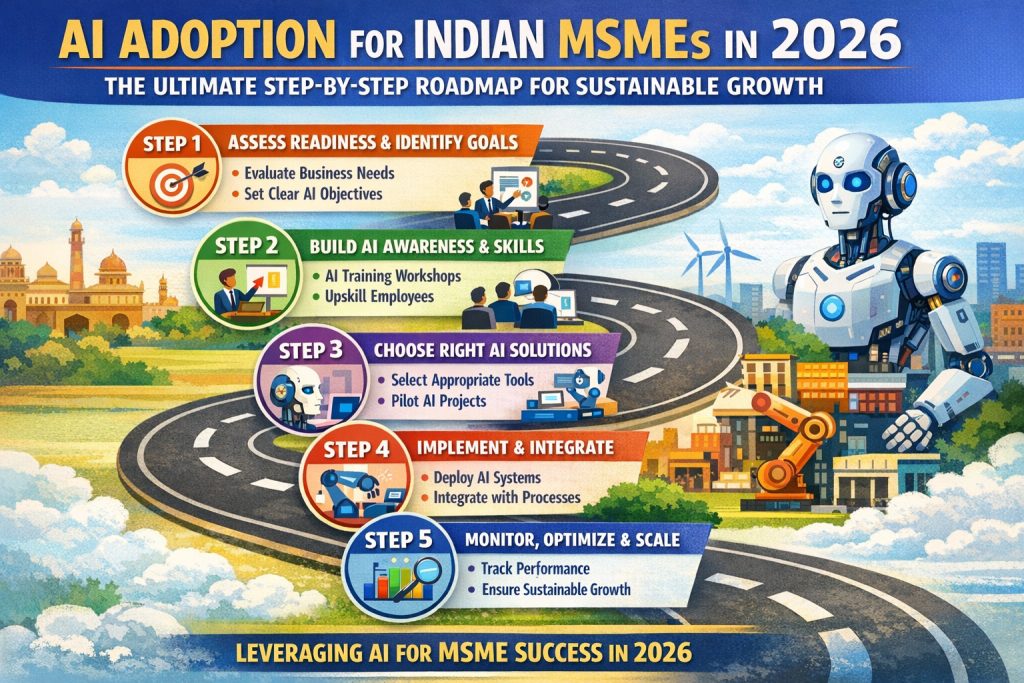
In 2025, technology isn’t optional — it’s survival. MSMEs embracing AI, IoT, and data analytics are seeing exponential productivity gains.
Take, for example, textile clusters in Surat using IoT-enabled looms to minimize waste, or ceramic manufacturers in Morbi using analytics to track global demand trends. This integration of tech has turned local manufacturing units into export-ready smart factories.
Moreover, platforms such as DGFT’s e-BRC and TradeConnect portals have simplified export documentation, reducing compliance time by up to 40 %.
Ministry of MSME Digital Initiatives.
Meet Neha Bansal from Jaipur — a young entrepreneur who started selling handmade skincare products on WhatsApp during the pandemic. Within two years, she registered her venture under MSME registration India, joined ONDC, and now ships to 12 states and three countries.
Her story isn’t unique anymore. Across India, small startups and side hustlers are scaling with the help of MSME loan schemes and export incentives like RoDTEP (Remission of Duties and Taxes on Exported Products).
“How India’s Youth Are Turning Side Hustles into MSME Success Stories”.
The government has implemented multiple MSME policies India-wide that directly support export growth:
Export Promotion Capital Goods (EPCG) Scheme – allows MSMEs to import capital goods at zero customs duty.
Districts as Export Hubs Initiative – connects local MSMEs with logistics partners and e-commerce platforms.
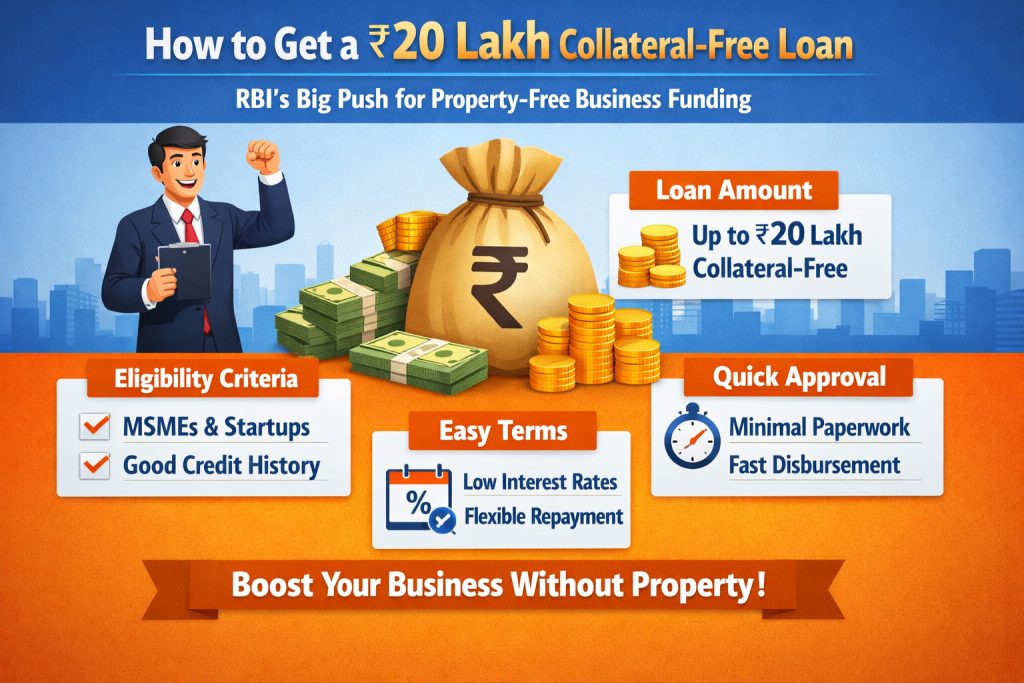
CGTMSE Loan Scheme – collateral-free loans up to ₹10 crore for export-oriented businesses.
Udyam Assist Portal – simplifies MSME registration, enabling easier access to export benefits.
Export Promotion Council for EoUs and SEZs.
Textiles & Apparel: From Tirupur’s cotton to Surat’s synthetics, Indian MSMEs are now selling sustainable fashion in Europe and North America.
Auto Components: MSMEs supply parts to global giants like Toyota, Ford, and Hyundai.
Engineering Goods: Indian machinery is now a staple in Africa and the Middle East.
Handicrafts & Home Decor: Products from Jodhpur, Saharanpur, and Kashmir have seen a 30 % rise in export demand.
Each of these sectors thrives on youth entrepreneurship in India, blending creativity with scalability.
There’s a clear synergy between startup culture in India and MSME growth in India. Startups bring tech innovation and investor interest, while MSMEs provide the manufacturing and employment foundation.
Together, they’re creating a startup-MSME ecosystem that drives inclusive economic growth — from fintech startups helping small businesses access credit to SaaS tools automating export operations.
Startup India Official Portal.
Despite growth, MSMEs continue to face bottlenecks:
Lack of export-specific financing options.
High logistics and shipping costs.
Limited knowledge of global compliance standards.
Need for digital skill-building and language training for cross-border trade.
However, new government initiatives to support MSMEs — like the Niryat Portal and PM Vishwakarma Scheme — are designed to fill these gaps.
By 2025, India aims to achieve $1 trillion in exports, and MSMEs are expected to contribute at least half of that. The key lies in integrating:
Digital tools for MSMEs in India (CRM, ERP, and AI-based analytics).
Sustainable production methods for global competitiveness.
Skill development and training for rural entrepreneurs.
As India’s youth increasingly embrace entrepreneurship in India, the line between startups and MSMEs is blurring — both are driving innovation, job creation, and global presence.
The Future of MSMEs in India: Opportunities, Growth & Global Reach.
The importance of MSMEs in the Indian economy can’t be overstated — they’re not just fueling exports but transforming how the world perceives Made in India.
From local craftsmen to SaaS-powered factories, MSMEs are evolving into globally competitive enterprises. For any entrepreneur, startup founder, or small-business owner reading this — the time to go global is now.