If there’s one thing that defines the new India, it’s ambition.
From small towns to global hubs, young Indians are chasing dreams beyond traditional jobs — they’re building businesses, startups, and ideas that solve real problems.
But behind this startup revolution lies something powerful — a government ecosystem designed to empower entrepreneurs, simplify compliance, and bridge funding gaps.
Let’s explore how India’s startup culture and MSME sector are evolving, and what makes 2025 a defining year for entrepreneurship in India.
Over the last decade, the startup culture in India has gone from being a buzzword to a national movement.
According to DPIIT, India now ranks third globally in startup numbers, right after the US and China.
From tech startups in Bengaluru to agri-innovations in small towns, entrepreneurship in India is no longer limited to the metros. The real growth is happening in Tier-2 and Tier-3 cities — where access to digital tools, simplified registration, and new MSME policies in India are making it easier than ever to start up.
Young founders are choosing innovation over job security, driven by access to funding, government-backed incubators, and mentorship programs.
Why youth prefer startups over jobs is simple — they want freedom, flexibility, and the power to create change.
Behind every successful startup ecosystem is a strong policy foundation.
India’s government recognized early that entrepreneurship is the engine of employment and innovation.
Here are some key government initiatives that have transformed the startup landscape:
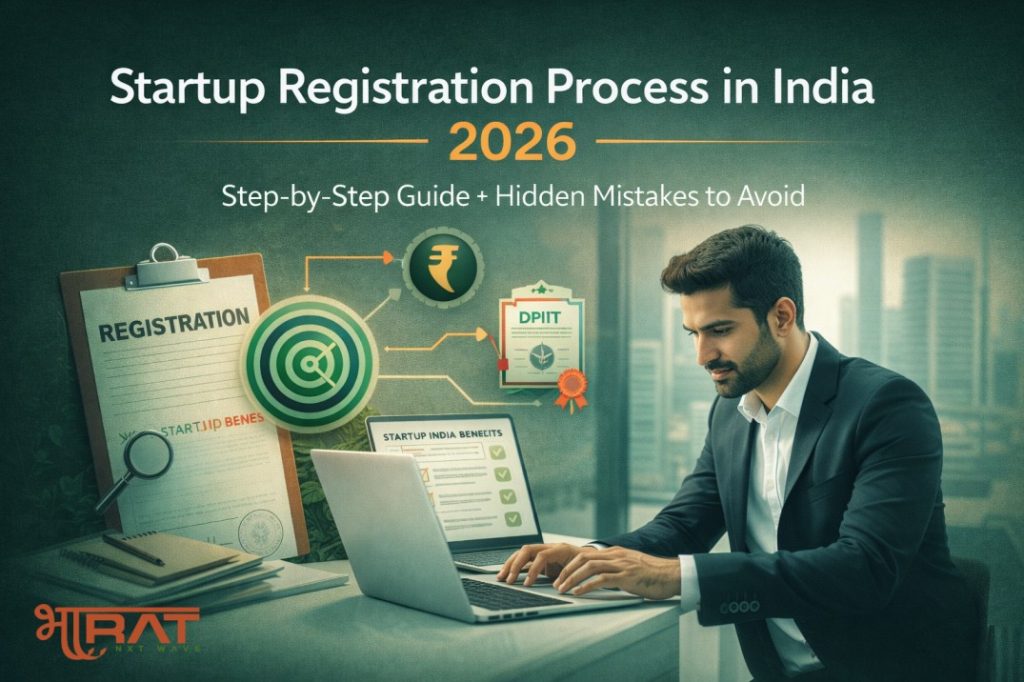
Launched in 2016, this flagship program simplified how startups are recognized, taxed, and funded.
Tax benefits: 3-year income-tax exemption for eligible startups.
Faster registration: Online recognition via DPIIT.
Funding: ₹10,000 crore Fund of Funds managed by SIDBI.
Mentorship and networking: Through incubators and government-accredited accelerators.
💡 Pro Tip: You can check your eligibility and apply via the Startup India portal.
The Digital India campaign made business processes paperless and transparent.
Startup founders can now register companies, apply for GST, and get MSME registration in India online — all within hours.
In the 2025 World Bank report, India’s Ease of Doing Business score is expected to rise further, thanks to reforms in tax filing, Udyam registration, and compliance automation.
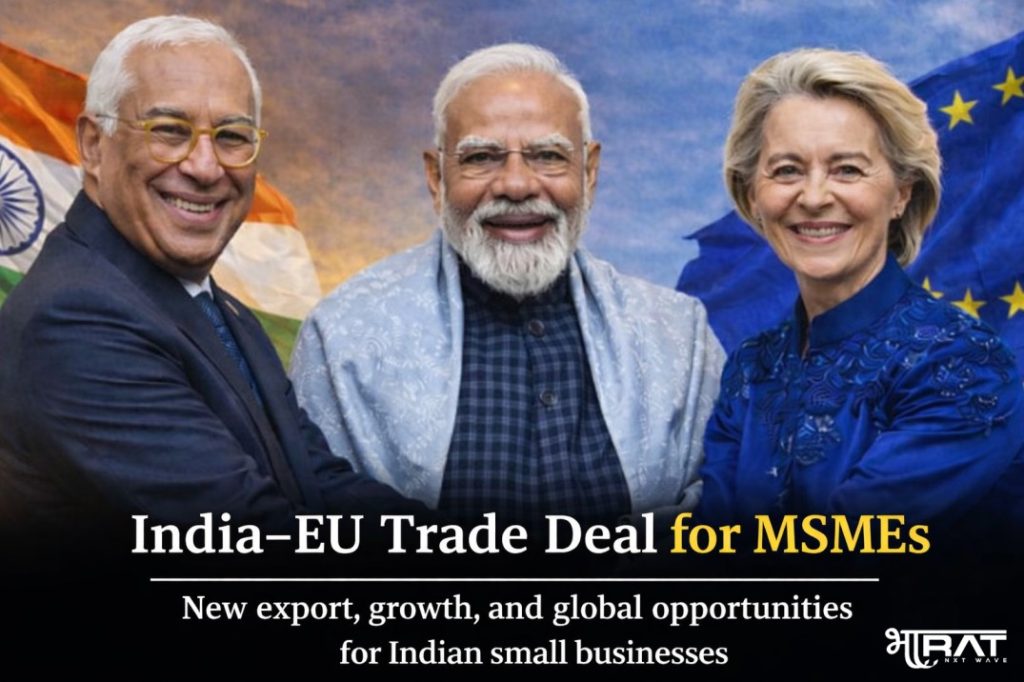
The Atmanirbhar Bharat mission gave MSMEs (Micro, Small & Medium Enterprises) the spotlight they deserved.
India’s MSME sector contributes nearly 30% to GDP and 45% to exports — making it the backbone of the economy.
To strengthen this, the government launched several MSME loan schemes and digital platforms.
Key programs include:
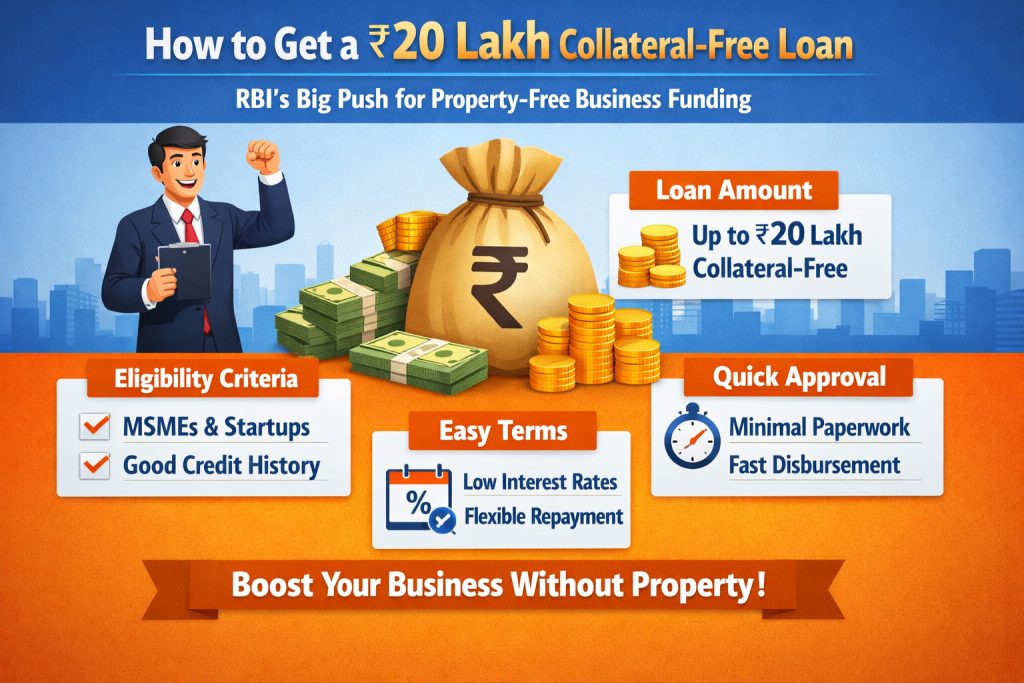
Credit Guarantee Fund Scheme (CGTMSE): For collateral-free loans up to ₹2 crore.
PMEGP (Prime Minister’s Employment Generation Programme): Encourages self-employment with subsidy support.
Udyam Registration: Simplified process replacing old Udyog Aadhaar, accessible at udyamregistration.gov.in.
These initiatives directly fuel the growth of MSMEs in India, especially in manufacturing, agriculture, and tech.
Today’s young India doesn’t just dream of jobs — it dreams of building solutions.
Whether it’s a fintech app in Pune or a sustainable fashion brand in Jaipur, young entrepreneurs are reimagining how businesses operate.
Creative freedom: Building something of their own.
Digital tools: Access to cloud, AI, and affordable SaaS products.
Government backing: Startup India, MSME funding, and digital transformation programs.
A report by NASSCOM reveals that over 70% of founders in India are under 35, proving that youth entrepreneurship in India is more than a trend — it’s a revolution.
India added over 100 new unicorns by 2025, many led by founders under 30.
While startups often grab headlines, the unsung heroes remain India’s MSMEs.
They are the real economic warriors, employing millions and bridging the urban-rural divide.
However, MSMEs often face challenges like:
Complicated compliance and tax filing
Lack of funding awareness
Limited access to government schemes
That’s where platforms like BharatNXT Wave come in — simplifying the MSME journey from registration to recognition.
MSME Registration Assistance – Hassle-free digital registration.
Funding Support – Guidance for applying under MSME loan schemes and grants.
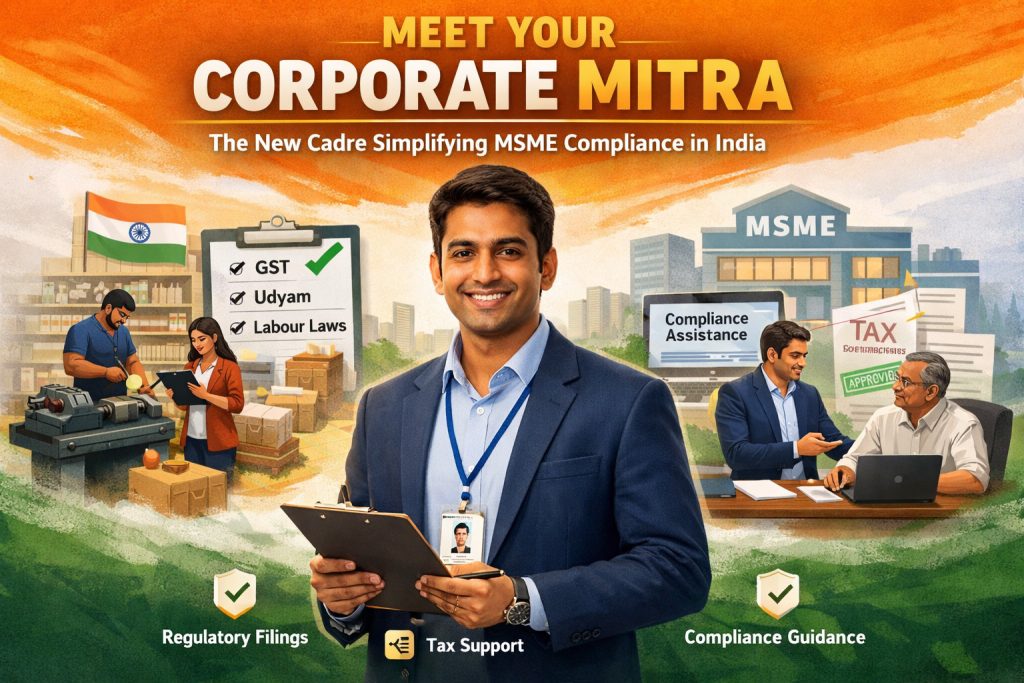
Business Compliance – Help with GST, ROC filings, and Udyam certification.
Government Scheme Navigation – Assistance with programs like PMEGP, Mudra Loans, and Digital MSME.
To ensure inclusive growth, several government schemes for MSMEs are shaping a more digital, transparent, and supportive environment.
Encourages adoption of cloud-based tools for manufacturing and retail.
This directly ties into the digital transformation in MSMEs, making them more efficient and scalable.
Promotes Industry 4.0 technologies like AI, IoT, and robotics for MSMEs — a big leap toward the future of MSMEs in India.
Provides 15% subsidy on tech upgradation — crucial for small manufacturers modernizing their operations.
Digitalization is the invisible backbone of India’s startup revolution.
From GST e-filing to UPI payments and cloud accounting, every small business now operates smarter, faster, and more transparently.
Tally & Zoho Books for accounting
Google Workspace for collaboration
Udyam portal for registration
BharatNXT Wave’s consulting platform for compliance & growth
By adopting these tools, small business owners can scale operations and attract investors more easily.
The future of Indian startups in 2025 looks brighter than ever.
With initiatives like Digital India, Startup India, and Atmanirbhar Bharat, the synergy between startups and MSMEs is stronger than ever before.
By 2025:
India will host 150,000+ recognized startups.
MSMEs will contribute nearly 35% of GDP.
Youth-led innovation will drive sustainable entrepreneurship in every district.
This fusion of policy, innovation, and ambition will make India not just a startup hub — but a startup superpower.
Even with the best intentions, entrepreneurs face real challenges:
Complex funding paperwork
Limited awareness of government initiatives
Scaling beyond Tier-2 cities
Lack of digital literacy in smaller enterprises
This is where organizations like BharatNXT Wave bridge the gap — connecting ideas with the right policies, funding, and expert support.
The story of entrepreneurship in India is still being written — every startup, every MSME, and every young founder adds a new chapter.
Government policies have laid the foundation, but it’s platforms like BharatNXT Wave that help entrepreneurs turn policy into progress.
If you’re ready to start your business, grow your MSME, or explore funding options — this is the time.
India’s startup ecosystem is not just growing; it’s transforming.
👉 Kickstart your entrepreneurial journey today with BharatNXT Wave — your partner in compliance, funding, and growth.